
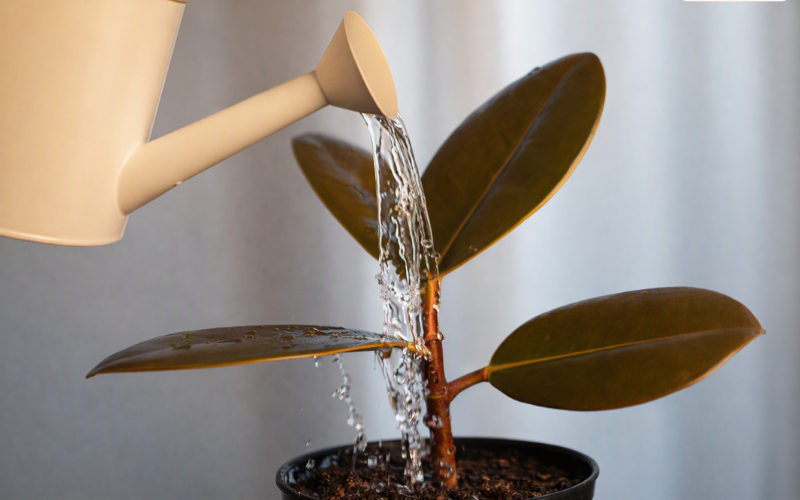
Indoor plant care is simple and does not take much of your time. Learn how to plan and meet its basic needs. Read on…
Today, most people want to keep at least one indoor plant at home. It adds beauty and vibrant colors to the dull interiors. It is also soothing for the eyes. You feel closer to nature after returning from a long day at work. Tending delicate plants with your own hands is a joyful experience in itself. Stress level goes down. Soothes tensed nerves.
You may keep just one indoor plant for now but its number is likely to grow due to a deep affection towards leafy friends. Whether you have a single plant or more, understanding its simple needs is your priority. Plan indoor plant care with selection of the right variety of plant and potting soil. Next, make proper arrangement of light, water, and other necessities for its survival.
Choose an Indoor Plant with Care
Since you are a beginner, buy an indoor plant which is easy to take care of. Another aspect you must keep in mind is that the plant variety must be safe for children and pets. Your florist is there to help you out. When the plant comes as a gift, do some research on the plant species to find out if it needs any special care.
Select the Right Pot
Size of the pot is important here. Avoid buying a large pot as excess soil in it holds too much water. This water retention can damage plant roots. A smaller pot cramps up plant roots for lack of space and prevents its expansion. As a result, the plant will be deprived of water and nutrients to support growth of new leaves and stems. Last but not the least, the pot holding your plant must have holes at the bottom to drain out unused water from soil.
Soil Requirements
You cannot pick some random soil from garden and use it for potting indoor plants. Buy a high quality, well-draining potting mix specifically designed for indoor plants. It is loosely bound, light in weight, and retains right amount of moisture. It keeps houseplants healthy. Dense garden soil stays saturated with water for a pretty long time and thus promotes mold growth on plants.
Positioning Indoor Plant
Choose a clean and tidy place in the house for your plant. A dusty environment will suffocate it. Fluctuating temperature is difficult to adjust. It feels happy where room temperature remains constant within the range of 16-24°C.
Set it either near the walls or any corner of a room. If your plan is to put up more than one plant in a room, place them in close proximity. Maintain a gap to ensure that one plant does not touch the other. Don’t move indoor plant pots too frequently. Plants need time to adjust in a new place.
Light Requirements
Indoor plants do not like direct exposure to sunlight at all. Not even soft sunlight in the early morning or late afternoon. Select a room full of bright light throughout the daytime. Position it 2-5 feet away from a window as stray light beams dehydrate delicate plants. Heat may burn its leaves too. Never put any plant in the dark corner of a room either. Lack of sufficient light is harmful for plants.
Watering Requirements
Indoor plants do not need a strict watering schedule. Water it when soil is dry and light in color. Touch and feel the soil in every pot before watering. Give enough water to keep the soil moist but not soggy. Use normal, room temperature water on plants. Hot or cold water is not good for them.
Check for Signs of Overwatering
A big mistake in indoor plant care is adding excess water. It mostly happens as we try to show extra care. Both soil and the plant struggle to assimilate excessive water. Soon, you will find mold on the surface of wet soil. It can spread up to leaves and stems as well. Gradually, the leaves turn droopy. Drain out excess water immediately to save the plant.
Check for Signs of Underwatering or Dehydration
Lack of moisture in soil, wrinkling leaves, its tip and edges turning brown and dry are clear signs of plant dehydration. Add water to dry soil and soak it thoroughly. Stop when water starts draining out of the pot. After drinking sufficient water, a thirsty plant will bounce back within 24 hours.
Pruning Indoor Plants
Remove the dead branches and leaves from the base of the plant as soon as you notice them. Cut down the branches when the plant is out of shape due to overgrowth of leaves. Prune the roots of the indoor plant once in a year, preferably during springtime.
Check Signs of Pest Infestation
Pest infestation is rare in indoor plants. Look for small holes on leaves and stems, webbing strands near stem joints or sticky white residues. If you detect some on a plant, move it away from other greens. Otherwise, it will affect rest of the houseplants too. Gently wash the upper and under side of the leaves with a spray of lukewarm water. Then, wipe off water from leaves and stems with light hands using a cotton swab.
Fertilizer Requirements
Fertilizer is important to replenish soil nutrients. Add fertilizer only in the growing season of spring and summer. Before fertilizing, inspect the plant for issues like dehydration and pest attack. It needs immediate attention. Organic, water-soluble fertilizer is safe for plants inside the house. Dilute the strength of liquid fertilizer with water and apply it on moist soil. Do not forget to drain out surplus water.
Regular Health Check-up of Indoor Plants
Yellow or brown leaves on plants, droopy leaves, slow or no growth suggest that a plant is under stress. Extreme temperature, poor light exposure, and improper watering distress a plant. Identify the real cause and take corrective measures. Its recovery time is around 2-4 weeks. Till then, continue with routine care. Avoid pruning and fertilizing during this period.
FINAL TIP: These are the basic tips of indoor plant care for beginners. Spend time with your pet plant to understand its needs and demands better. As the bond grow stronger, you will be able to sense hidden plant feelings.